Women's Wellness · Educational Series
You Expected Metabolism to Slow Down With Age. What Changes Is More About Habits Than Gelatin or Any Single Ingredient
Many women assume body composition shifts are simply inevitable. This educational video looks at what actually changes — collagen, satiety signals, muscle mass — and where a habit involving gelatin fits into that broader picture.
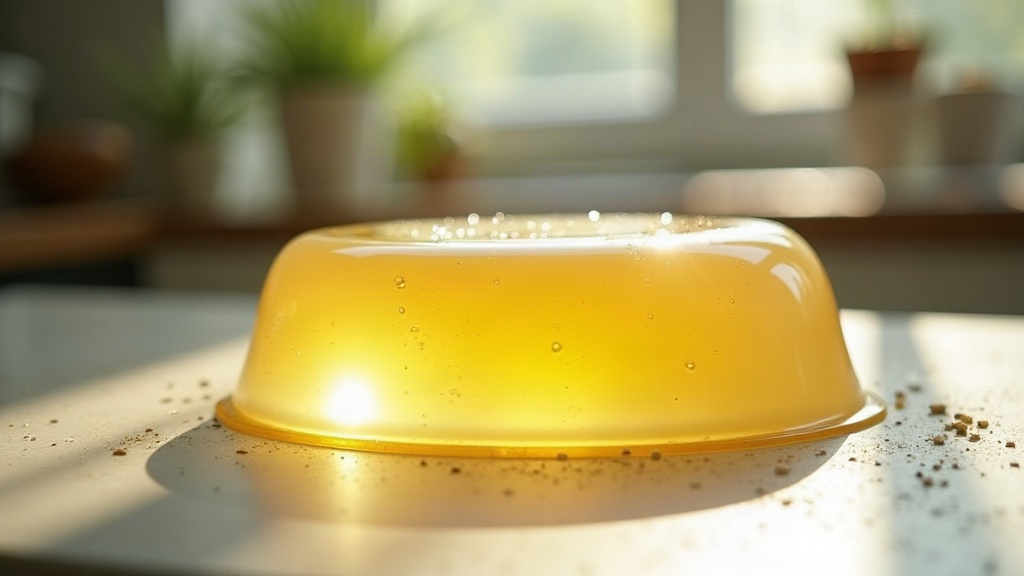
The Gap Between What You Expect and What's Happening
Bodies change with time, but the reasons are often more specific than ‘just getting older.’ Here are four shifts worth understanding.
Collagen Production Slows
Natural collagen synthesis declines gradually over time, which relates to skin, joints, and connective tissue — one reason gelatin (a cooked form of collagen) gets discussed so often.
Satiety Signals Shift
The way fullness cues work can change over the years, which affects portion habits in ways that have nothing to do with willpower.
Lean Mass Naturally Declines
Without targeted habits, the body tends to lose lean mass gradually — a quiet shift that changes how the body uses energy at rest.
Traditional Dieting Assumptions Don't Always Hold
Calorie-counting approaches built decades ago didn't always account for hormonal and metabolic differences that matter for many women.
Myths vs. Facts: Metabolism and Women's Bodies
Some widely repeated ideas about female metabolism don’t hold up well under scrutiny. Here’s a side-by-side look.
Metabolism only slows down because of age itself.
Age is one factor, but muscle mass, sleep, stress, and daily habits all play measurable roles too.
All protein sources affect satiety the same way.
Different proteins have different amino acid profiles; some, like gelatin, are studied specifically for their glycine content and role in traditional diets.
Once changes start, nothing can be adjusted.
Habits — not just genetics — influence how the body responds over time, which is why daily routines are worth examining.
A Simple Framework for Understanding the Habit
The video breaks the concept into three educational steps. Here’s a preview.
Step 1: Recognize the Signals
Understand what changes in skin, joints, or fullness cues might actually be pointing to, instead of dismissing them as ‘just aging.’
Step 2: Learn the Traditional Connection
Explore how gelatin has featured in traditional food preparation for generations, long before it was studied in modern contexts.
Step 3: Build a Consistent Daily Habit
See how small, repeatable routines — not drastic overhauls — tend to be what’s sustainable long-term.
Where This Idea Actually Comes From
Long before wellness trends existed, many culinary traditions relied on slow-simmered bone broths and gelatin-rich dishes as everyday staples — not as a trend, but as practical, resourceful cooking. Gelatin itself is simply the cooked, water-soluble form of collagen, extracted through heat. It shows up in bouillons, aspics, and broths across many cultures, often passed down through generations without any modern packaging or marketing around it.
The ‘discovery’ framing used in a lot of wellness content is misleading — this is closer to a rediscovery of long-standing kitchen practices than a new invention.
Signs Worth Paying Attention To
Unpredictable Hunger Patterns
Feeling unusually hungry shortly after eating, or not registering fullness the way you used to.
Changes in Skin Elasticity
Skin that feels less supple or takes longer to bounce back than it once did.
Joint Stiffness or Discomfort
New stiffness, especially after periods of inactivity or in the morning.
Shifts in Body Composition
Weight staying the same while clothes fit differently, which can reflect muscle-to-fat ratio changes.
Afternoon Energy Dips
A noticeable slump in energy at consistent times of day, unrelated to sleep quality.
Brittle or Slow-Growing Nails
Nails that chip, split, or grow more slowly than they used to.
What Some Women Had to Say

Testimonials reflect individual opinions and experiences. Individual results may vary, and these statements are not a guarantee of any outcome.
Frequently Asked Questions
Hydrolyzed gelatin is gelatin that has been further broken down into smaller peptides so it dissolves more easily in liquids. It’s derived from the same collagen source as standard gelatin but processed for easier use.
Gelatin and collagen are related — gelatin is cooked collagen — but they differ in texture, solubility, and how they’re typically used in food versus supplement form.
No. This is educational content about body composition, satiety, and habits. It does not promise or guarantee weight loss or any specific outcome.
It’s designed for women interested in learning more about metabolism, collagen, and daily wellness habits from an educational perspective.
It’s a short, focused presentation designed to explain the core concepts clearly without unnecessary length.
No, the video is free to watch. Any related offers mentioned are entirely optional.
No. This content is for educational purposes only and is not a substitute for professional medical advice, diagnosis, or treatment.
Ready to See the Full Picture?
Watch the free educational video to understand how collagen, satiety, and daily habits connect — explained simply, without hype.
Advertising Disclosure: This page contains sponsored content and affiliate links. We may receive compensation if you click a link or make a purchase through the links provided. This helps support the content on this site at no additional cost to you.
Content Disclaimer: The content on this page is for educational and informational purposes only. It has not been evaluated by the Food and Drug Administration. It is not intended to diagnose, treat, cure, or prevent any disease. Always consult a qualified healthcare professional before making changes to your diet, exercise, or wellness routine.
Results Disclaimer: Individual results may vary. Testimonials and examples featured on this page are not a guarantee of results and should not be interpreted as a promise or guarantee of any specific outcome.
© 2026 · All Rights Reserved